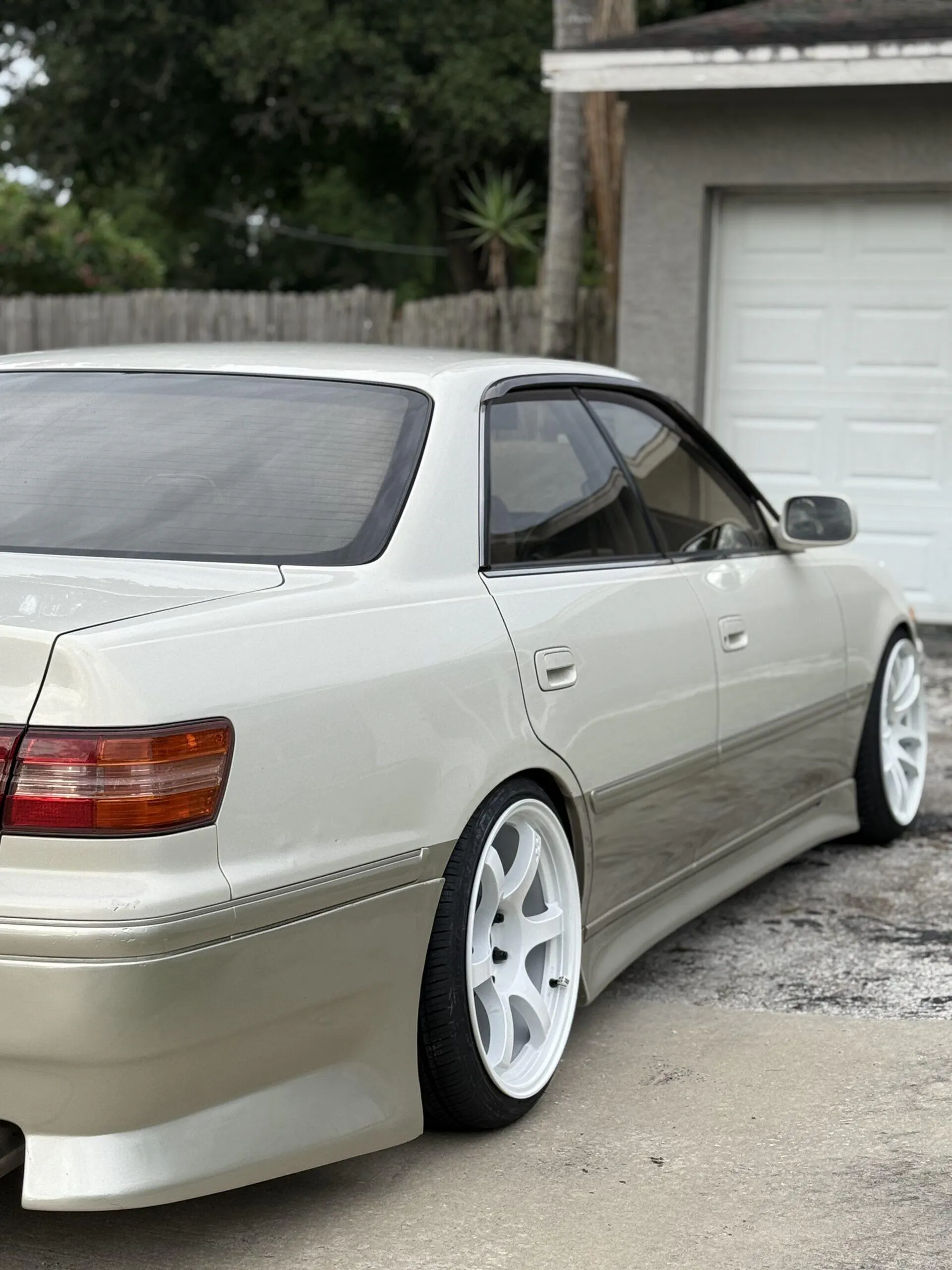
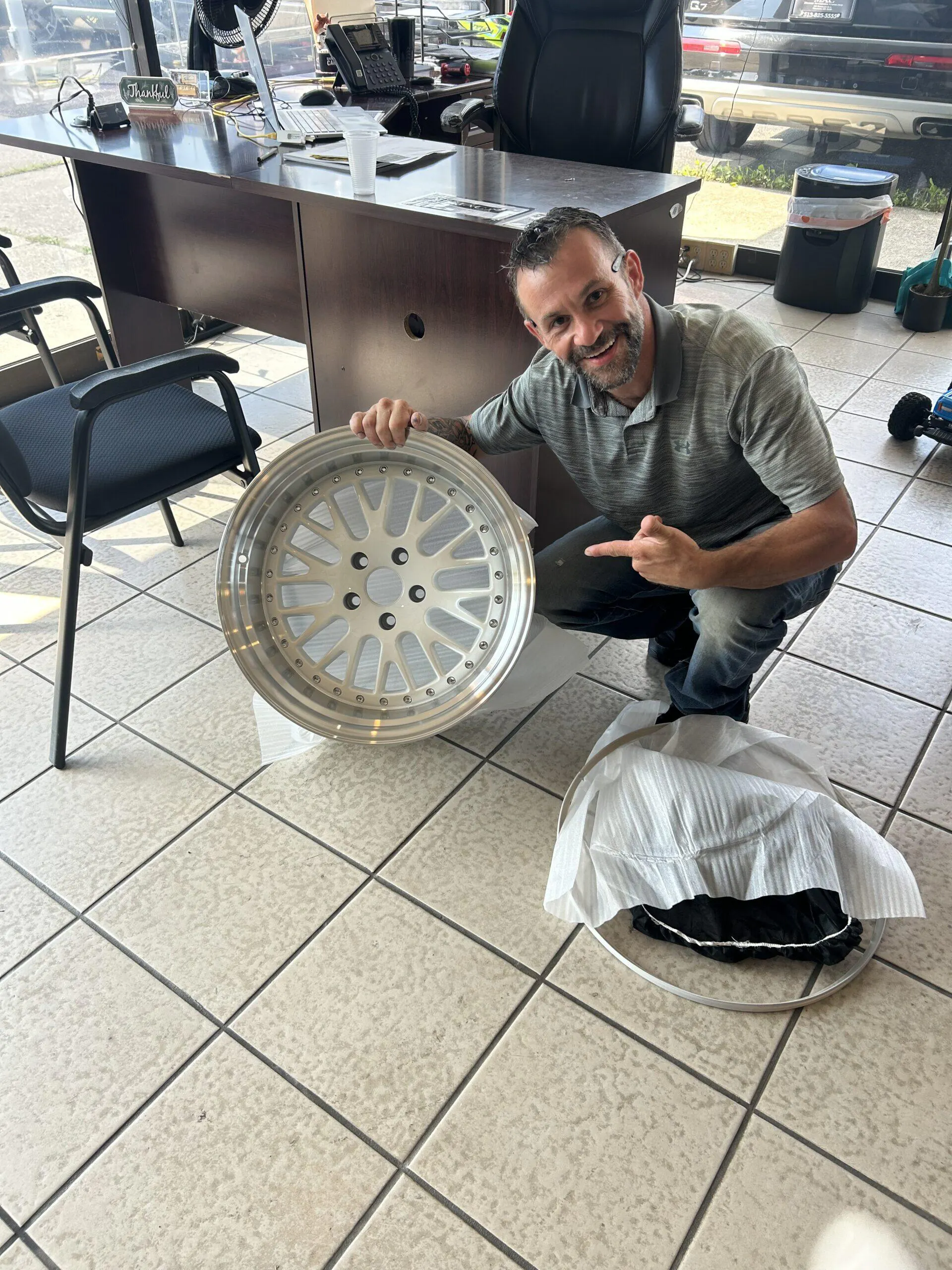
Choosing the Perfect Drift Wheels: Width, Offset & Tire Fitment Explained
Drifting isn’t just about going sideways - it’s about control, precision, and knowing exactly how your car reacts when you push it to the limit. One of the biggest mistakes new drifters make? Slapping on random wheels without understanding how width, offset, and tire selection affect handling. In 2026, with more powerful engines, affordable angle kits, and wider fenders becoming the norm, it’s more important than ever to get your wheel setup dialed in.
Let’s break down what you need to know when choosing the right wheel sizes for your drift car.
The Platforms That Dominate the Drift Scene
Not all drift cars are built the same. Some platforms thrive on square setups, while others demand staggered widths to keep things balanced. Here are some of the most common platforms and their typical setups:
Nissan S-Chassis (S13, S14, S15)
-
The OGs of drifting, thanks to near-perfect weight distribution and endless aftermarket support.
-
Common setups: 17x9 or 18x9.5 up front, 18x10.5 in the rear.
-
Wide fenders are popular, allowing for low offsets (+12 to +25) to clear big angle kits.
BMW E36 & E46
-
Solid chassis with a predictable, balanced feel. Factory fenders are already pretty accommodating.
-
Common setups: 17x9 front, 18x9.5 rear - or a squared 18x9.5 setup for easy tire rotation.
-
BMW suspension geometry can be sensitive to changes in wheel width and offset, so don’t overdo it.
Ford Mustang (S197 & S550)
-
Big power, big torque, and built to shred tires fast.
-
Common setups: 18x9.5 front, 18x10.5 or 18x11 rear.
-
Wide rears help plant the power, but too much grip can make transitions sluggish.
Toyota A90 Supra, IS300, and 86/BRZ/FR-S
-
Varying fender widths mean different approaches to fitment.
-
A90 Supra: 18x9.5 square or 18x10.5 rear for grip.
-
86/BRZ: Typically 17x9 or 18x9.5 square for a predictable, snappy feel.
Other Platforms Worth Mentioning
-
Lexus SC300, Nissan Z-chassis (350Z/370Z), GR Corolla (yes, AWD drift builds are a thing now).
-
Most benefit from wide front wheels for grip and control.
Should Your Front Wheels Be Wider Than Your Rears?
Short answer: Maybe.
Long answer: It depends on your setup and driving style.
Why Wider Front Wheels Can Work
✅ Better front grip means more precise turn-in and less understeer.
✅ Helps clear angle kits without excessive camber or spacer use.
❌ Can feel weird if you’re used to a traditional staggered setup.
❌ May limit tire options, especially on narrower rear setups.

Why Wider Rear Wheels Are Still Popular
✅ More rear grip helps control high horsepower.
✅ Allows for wider tires without stretching them too much.
❌ Can make transitions feel sluggish if the rears have too much grip.
❌ Might force you into running more rear camber than necessary.
Square Setup (Same Width Front & Rear)
✅ Easy tire rotation means you’ll spend less replacing rubber.
✅ More predictable handling, especially for lower-horsepower cars.
❌ Might not have enough rear grip if you’re making serious power.
Bottom line: If you have an angle kit, a wider front setup is worth considering. If you’re pushing big power, a wider rear is usually the way to go.
How Fender Width and Offset Affect Your Setup
One of the biggest mistakes drifters make is assuming any wheel will fit their car. Here’s the reality:
-
Many drift cars run overfenders or widebody kits - you’re not fitting 10.5” wide wheels on stock S13 fenders.
-
Offset (ET) affects clearance more than width. An 18x9.5 +12 will poke way more than an 18x9.5 +35.
-
Angle kits need clearance - low offset wheels prevent rubbing at full lock.
-
Low offset means you might need fender work - rolling, pulling, or even cutting.
If you’re not sure what fits, research your chassis’ typical setups before pulling the trigger on a set of wheels. Our wheel fitment experts have 20+ years of experience and are happy to help, don't hesitate to reach out if you need fitment advice.
Tire Sizing: Getting It Right for Drifting
Wider wheels give you more tire options, but picking the right rubber is just as important as the wheels themselves.
-
Stretched tires (wider wheels, narrower tires) = faster breakaway, easier slides.
-
Square setups (wide wheels, wide tires) = more grip, higher speeds.
-
High grip tires matter more than width - in 2025, there are tons of affordable high-grip options.
-
Angle kits and higher power levels demand better tires—don’t skimp if you want smooth transitions and consistent grip.
Final Thoughts: Don’t Guess, Plan Your Setup
The days of running whatever wheels you can find are over. Modern drift cars are faster, grippier, and have better steering angles than ever before—your wheel and tire setup needs to keep up.
-
Know your chassis and how it responds to different setups.
-
Understand how width, offset, and tire sizing affect grip and steering feel.
-
Don’t be afraid to run a wider front setup if you’re using an angle kit.
-
Make sure your fenders can handle your wheels before committing to a set.
Dialing in your wheel setup might take some trial and error, but once you get it right, you’ll feel the difference in every transition, every flick, and every high-speed entry. And if you’re looking for lightweight, strong, and perfectly sized wheels for drifting—Circuit Wheels has got you covered.